A City That Took Potatoes Very Seriously
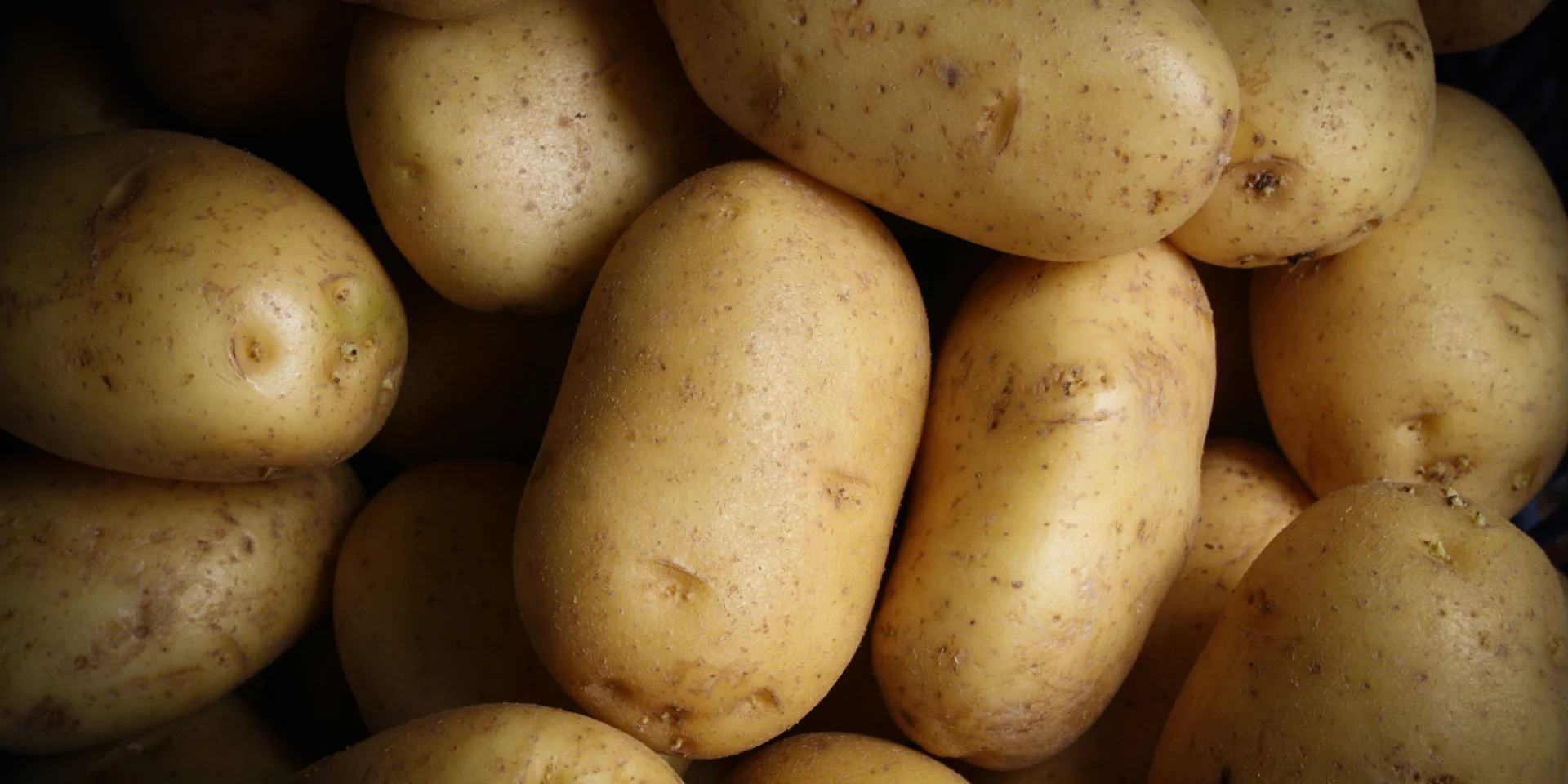
Ask a Dutch person what truly makes a meal feel complete and there is a good chance a potato will appear somewhere. Boiled, mashed, fried, stamped, baked, we have been doing almost everything with potatoes for generations, except writing romantic poetry about them.
Although, to be fair, we probably came close.
In Amsterdam, that attachment once went much deeper than preference. At the beginning of the twentieth century, potatoes were not just a side dish. They were the people’s food. Especially in the Jordaan and other working-class neighbourhoods, daily meals often depended on them. Cheap, filling, nourishing and exactly what you needed after a long day without much patience for culinary decoration.
So when potatoes became almost impossible to find during the First World War, the city became restless.
Very restless.
“Then Eat Rice Instead”
The Netherlands officially stayed neutral during the First World War, but everyday life was still affected. Imports and exports slowed down, food became scarce, bread was rationed and Amsterdam opened public kitchens to help feed families.
And right in the middle of all that, there was a serious shortage of potatoes.
This did not go down well in a city where many people had grown up with the idea that a meal without potatoes was really just a snack wearing a serious face.
Alderman Josephus Jitta suggested that people should simply change their eating habits and eat rice instead, since rice was available. A practical idea on paper, perhaps. In Amsterdam, less so.
Try telling someone in the Jordaan that stamppot should be replaced by a bowl of rice.
That conversation probably does not last very long.
The Women of the Jordaan Had Had Enough
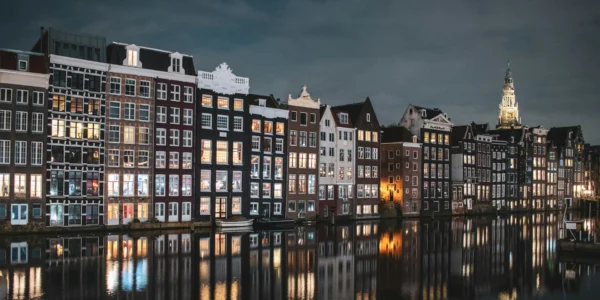
On 28 June 1917, a rumour spread through Amsterdam that a boat full of potatoes was lying in the Prinsengracht. The potatoes were meant for the army, while ordinary people could barely get food for their families.
That was the moment the city’s patience snapped.
Women from the Jordaan rushed towards the canal. Among them were women such as Bertha de Vries-De Hondt and, according to later stories, the well-known Jordanese figure Kee Spek, who became associated with the strong women of the neighbourhood. They wanted those potatoes to feed their families.
Not for drama. Not for trouble.
Because there were children at home who needed dinner.
The police stopped the crowd, but the unrest spread quickly. In the following days, shops were looted, boats were emptied and workers joined the protests in solidarity with the women. Songs were sung in the streets about traders who were believed to be holding back supplies while prices kept rising.
The tension grew so intense that the army was eventually brought in.
When a Potato Becomes a Symbol
On 5 July, things turned violent at Haarlemmerplein. Soldiers were ordered to fire into the crowd. People fled in every direction and were chased through nearby streets. In the end, nine people were killed and more than a hundred were wounded.
All over potatoes.
Although, of course, it was never really only about potatoes.
For many Amsterdam families, food was not about luxury, experimenting or trying something new because it looked good on a menu. It was about survival. About putting something warm on the table after a long day. About having a pan big enough to feed everyone.
The potato stood for certainty. For a meal that filled you up. For something that belonged to ordinary people in difficult times.
Maybe that is why the Dutch attachment to potatoes still runs deeper than taste alone. Stamppot, mashed potatoes, fried potatoes or simply a proper plate with gravy, it all carries more history than we usually admit.
Why Stamppot Still Works
More than a hundred years later, we still eat potatoes as if we collectively decided long ago that they simply make sense.
And honestly, maybe we were right.
Because in a city that keeps getting faster, busier and more international, simple dishes remain surprisingly strong. Stamppot does not disappear. A good meatball with gravy does not disappear. A large pan of soup, with enough for someone to have seconds, certainly does not disappear.
Not because it is trendy.
Because it feels familiar.
Perhaps that is the real legacy of the Potato Riot. Not only a story about shortage and protest, but a reminder of how deeply food can matter to a city.
Especially when potatoes are involved.