An Old Cookbook in the Heart of Amsterdam
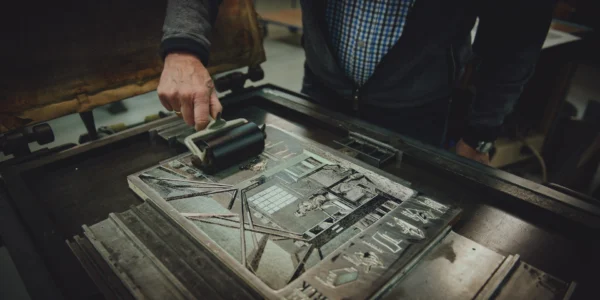
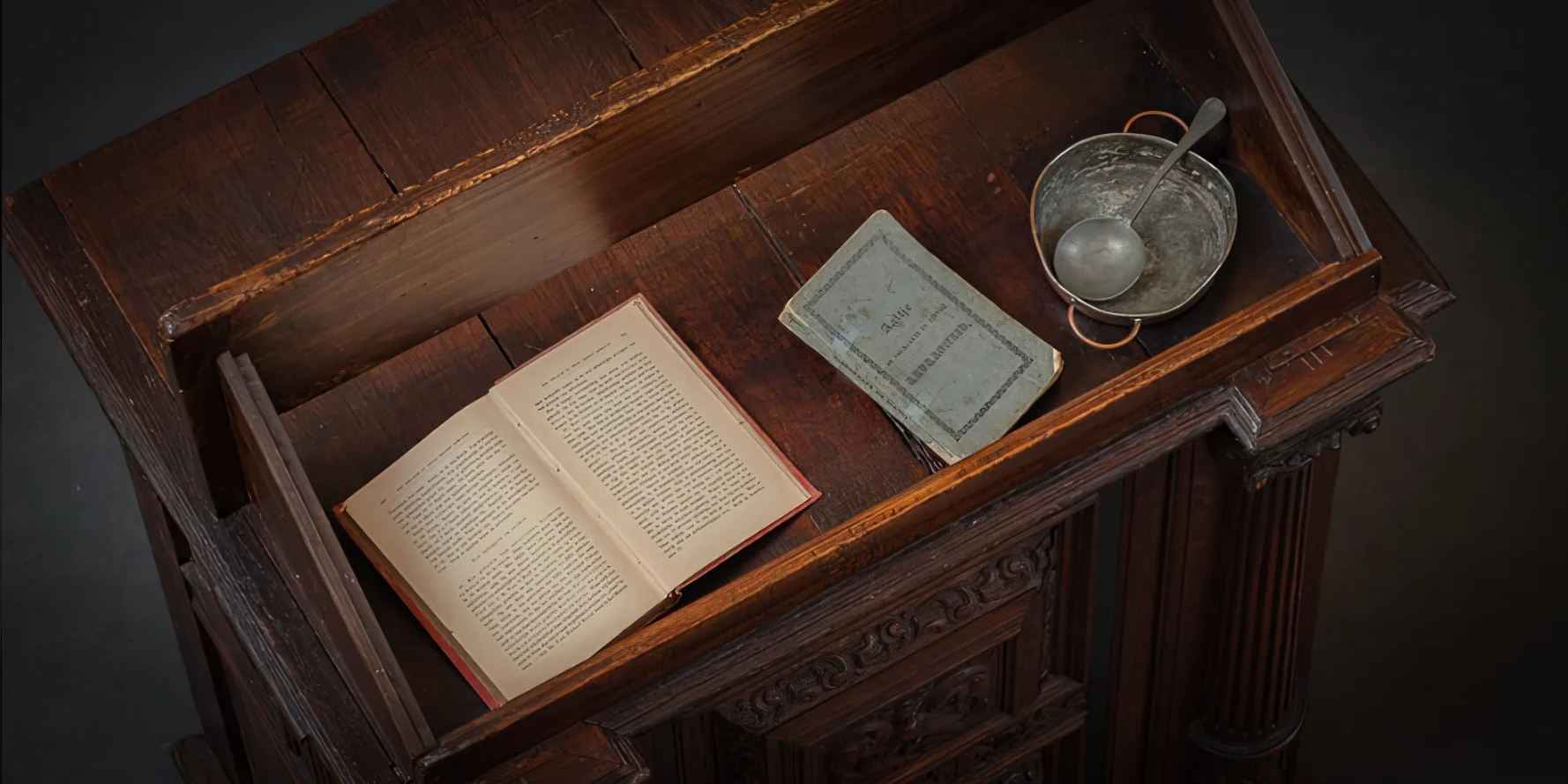
In the bookcase at ’t Westerhuys, somewhere between the wood, the glassware and the lively rush of the Prinsengracht, there is an old cookbook kept under glass. Its cover is worn, its pages have yellowed and the dark ink still carries the feeling of a time when books were printed by hand in small Amsterdam print shops.
To some, it may look like just an old cookbook. To others, it is one of the most quietly important culinary stories in Dutch history.
The book is called “Aaltje, de volmaakte en zuinige keukenmeid “ (Aaltje, the perfect and frugal kitchen maid) and more than two hundred years later, people are still asking the same question: who was Aaltje, really?
Was she a real Amsterdam kitchen maid who collected recipes from the houses along the canals? Or was she the clever invention of a publisher who knew exactly what people wanted?
No one knows for sure. And perhaps that is exactly why the story still lingers.
A City That Had Enough of Complicated Cooking
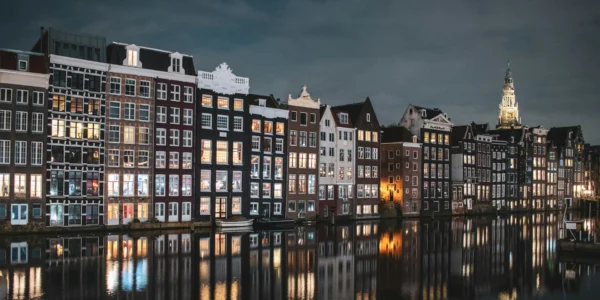
Amsterdam around 1800 was a city full of contrasts. Behind the grand façades of the canal houses, wealthy families and merchants served elaborate French-inspired dinners. Cookbooks were filled with complicated sauces, expensive ingredients and recipes that the average Amsterdammer could do very little with, except maybe look at them politely and move on.
Outside those wealthy dining rooms, life looked rather different.
There, food had to be practical. Filling meals, affordable ingredients and clever cooking with whatever was available. Large pots of soup simmering slowly, stews left on the fire for hours and dishes meant to feed a household without emptying the entire purse.
Amsterdam never had much patience for unnecessary fuss at the table. Still doesn’t, really.
And into that world came a cookbook that actually matched the way people cooked.
Aaltje, the perfect and frugal kitchen maid.
Even the title sounds like someone kindly, but firmly, telling you to keep your head on straight in the kitchen.
The Mysterious Woman Behind the Book
According to the stories, Aaltje worked for years in Amsterdam kitchens, including households along the Keizersgracht. In the texts at the beginning of the book, she writes about cooking, housekeeping and putting a good meal on the table without waste or needless luxury.
But that is exactly where the mystery begins.
Many historians believe those personal stories may have been written deliberately to make the book feel more familiar and trustworthy. As if readers were being allowed into the life of a real Amsterdam kitchen maid. Not someone cooking for palaces, but for ordinary households where dinner simply had to appear at the end of the day.
And somehow, that still works surprisingly well.
Because people rarely look for perfection in food. They look for recognition. Warmth. Dishes that feel as if someone cared, without making a whole performance out of it.
The Printer Who Understood Amsterdam
Behind Aaltje’s success there was probably another important figure: Jan Barend Elwe, an Amsterdam printer and publisher on the Nieuwezijds Voorburgwal.
Elwe was not a chef, but he understood Amsterdam very well. While other publishers printed expensive French cookbooks for the elite, he saw an opportunity in the everyday Amsterdam kitchen. In recipes people actually wanted to make. In food that felt reachable.
And perhaps he understood something that still matters today.
People do not only long for good food. They long for the feeling that comes with it. For stories they recognise themselves in. For recipes that are not made to impress, but to bring people to the table.
The Cookbook That Found Its Way Everywhere
Aaltje became a huge success. New editions appeared quickly and before long, cheaper copies and reprints started turning up across the country. Through markets, households and print shops, the recipes spread far beyond Amsterdam.
Generations grew up with the same kinds of dishes, the same ways of preserving, slow cooking and making something good with what was already there. Not luxury cooking for a small upper class, but food for people who worked hard and wanted something decent on the table at the end of the day.
And honestly, more than two hundred years later, that still sounds pretty modern.
Why Aaltje Still Feels So Amsterdam
Perhaps that is why the story of Aaltje still stays with Amsterdam.
Not because it was the fanciest cookbook ever written. Quite the opposite.
It was about something this city still recognises remarkably well: good food without unnecessary fuss. Dishes that take their time, flavours that slowly develop and tables where there is always room for one more person to sit down.
You can still feel that in the city today. In old cafés, in neighbourhood restaurants and at long tables where people stay just a little longer than planned.
And perhaps that is exactly why that old cookbook feels so at home inside ’t Westerhuys.
Not as a museum piece.
But as a reminder that Amsterdam has always known how to get people around a table.