A Neighbourhood Built on Togetherness
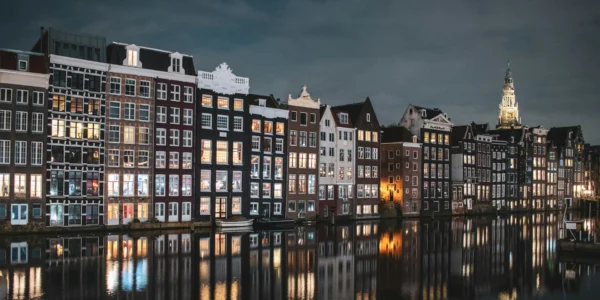
Today, the Jordaan is one of Amsterdam’s most beloved neighbourhoods. Visitors wander through its narrow streets, stop for coffee along the canals and admire the historic houses that seem to lean gently towards one another. It feels cosy, welcoming and full of character.
But the Jordaan was never designed to be picturesque.
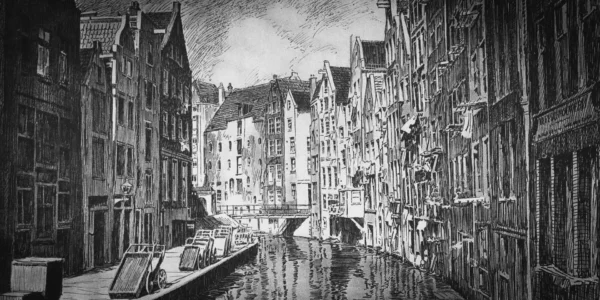
When the neighbourhood was built in the seventeenth century, it was created to house the people who kept Amsterdam running. Craftsmen, labourers, sailors, market traders and working families settled here in large numbers. The streets were busy, the houses were small and life was lived much closer together than it is today.
That closeness shaped more than the neighbourhood itself. It shaped the way people ate, talked and spent time together.
In many ways, the Jordaan became one enormous shared dining room.
Small Houses, Long Tables
Most families lived in modest homes. Several children often shared a room and it was not unusual for multiple generations to live under the same roof. Space was precious, which meant daily life rarely stayed neatly behind the front door.
Neighbours knew each other. Doors stood open. People borrowed ingredients, shared news and helped one another through difficult times.
Food naturally became part of that culture.
Meals were simple but important. A large pot of soup, a hearty stew or a pan of potatoes could feed an entire family and sometimes a few extra people as well. If someone was struggling, neighbours often stepped in. Not because anyone considered it extraordinary, but because that was simply how the neighbourhood worked.
The Jordaan developed a reputation for resilience, but beneath that toughness sat something else: a strong sense of community.
The Street Was an Extension of the Home
Unlike the grand canal houses of wealthy merchants, the Jordaan was a place where life spilled outdoors.
Children played in the streets. Market vendors called out their daily offers. Housewives chatted from doorways while keeping an eye on dinner. Workers gathered in cafés after long days and neighbours lingered outside long after a conversation should have ended.
Food was never isolated from daily life.
The bakery, the grocer, the fish seller and the market all played a role in the rhythm of the neighbourhood. People knew where their food came from because they often knew the person selling it.
Even today, you can still feel traces of that atmosphere. The streets may look different and the neighbourhood has changed enormously, but there remains a sense that people are meant to gather here.
More Than Just Eating
What made food in the Jordaan special was not necessarily what was served.
It was what happened around it.
Meals were where stories were shared, disagreements settled and friendships maintained. People celebrated around food, but they also found comfort in it during difficult times. A table was rarely just a place to eat. It was where daily life happened.
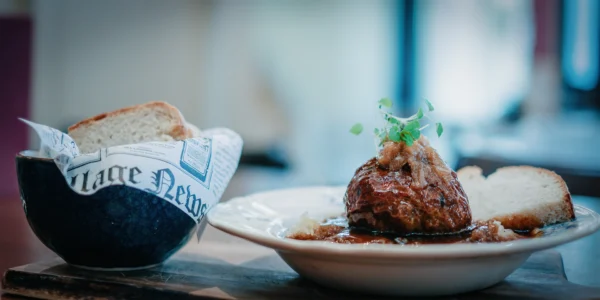
Perhaps that explains why traditional Dutch dishes remain so deeply connected to feelings of home and familiarity. Stamppot, soup, stews and simple comfort food are not remembered because they were luxurious. They are remembered because they were shared.
The food carried the memory of the people sitting around it.
A Tradition That Never Really Left
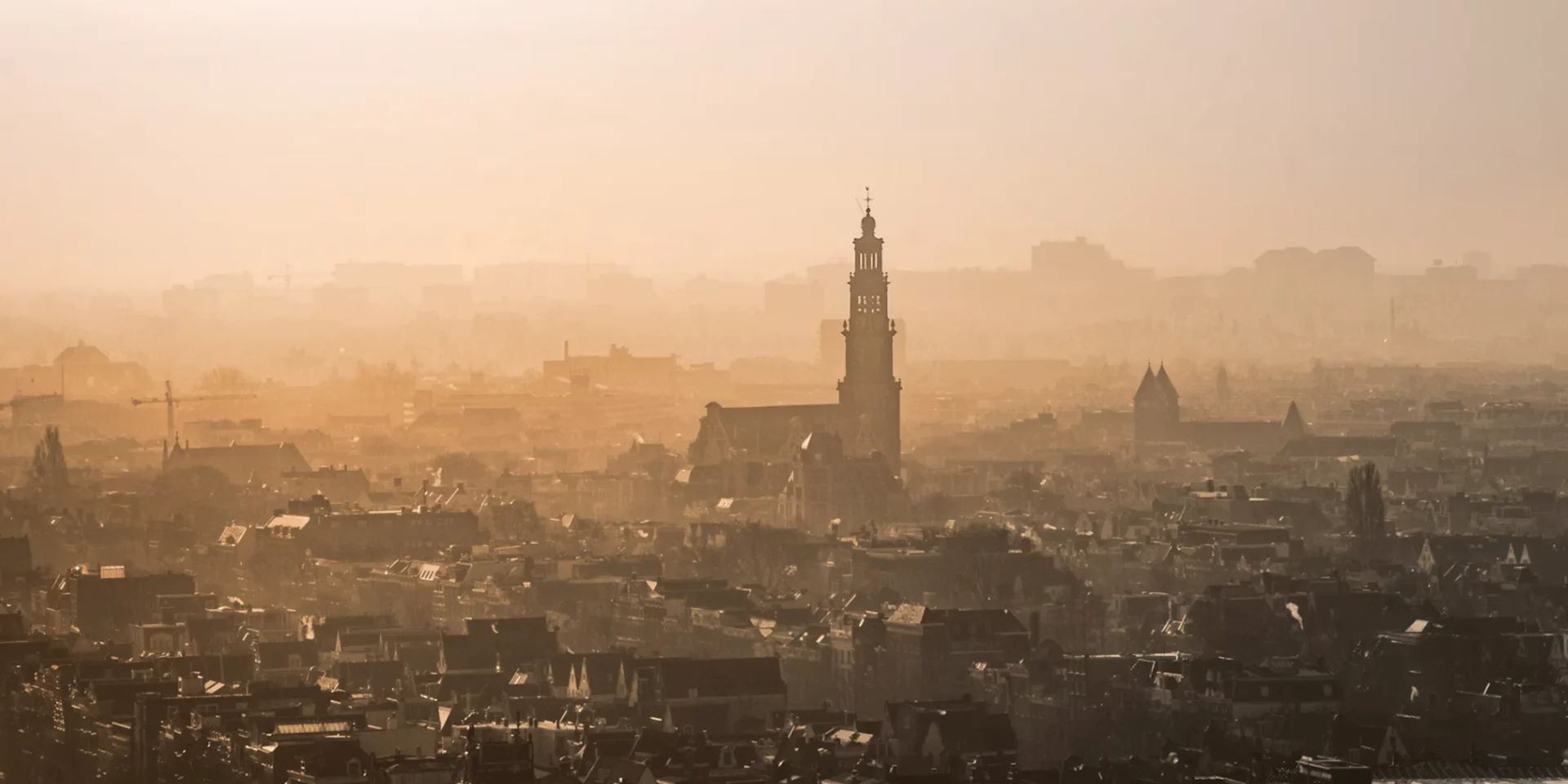
The Jordaan has changed dramatically over the centuries. Many of the workers and families who once filled its streets have moved elsewhere, and the neighbourhood has become one of Amsterdam’s most desirable places to live.
Yet some things remain surprisingly familiar.
People still gather over food. Cafés still fill with conversation. Tables still become places where evenings stretch a little longer than expected. Friends meet, families celebrate and strangers occasionally become acquaintances before the bill arrives.
The details may have changed, but the spirit feels remarkably familiar.
Why the Jordaan Still Feels Like One Big Dining Room
Perhaps that is why so many people feel at home in the Jordaan, even when they have never lived there.
The neighbourhood was built on something larger than architecture or canals. It was built on connection. On sharing what you had. On making room for one more chair at the table.
For centuries, people here have gathered around food, conversation and community. Long before anyone called it hospitality, the Jordaan had already mastered the art of making people feel welcome.
And maybe that is why, even today, it still feels a little bit like Amsterdam’s biggest dining room.