The Men Who Printed More Than Books
When people talk about the history of Amsterdam, they usually talk about merchants. About ships returning from distant ports, warehouses filled with spices and traders building grand houses along the canals. And fair enough. Trade helped shape the city we know today.
But Amsterdam was built by more than merchants alone.
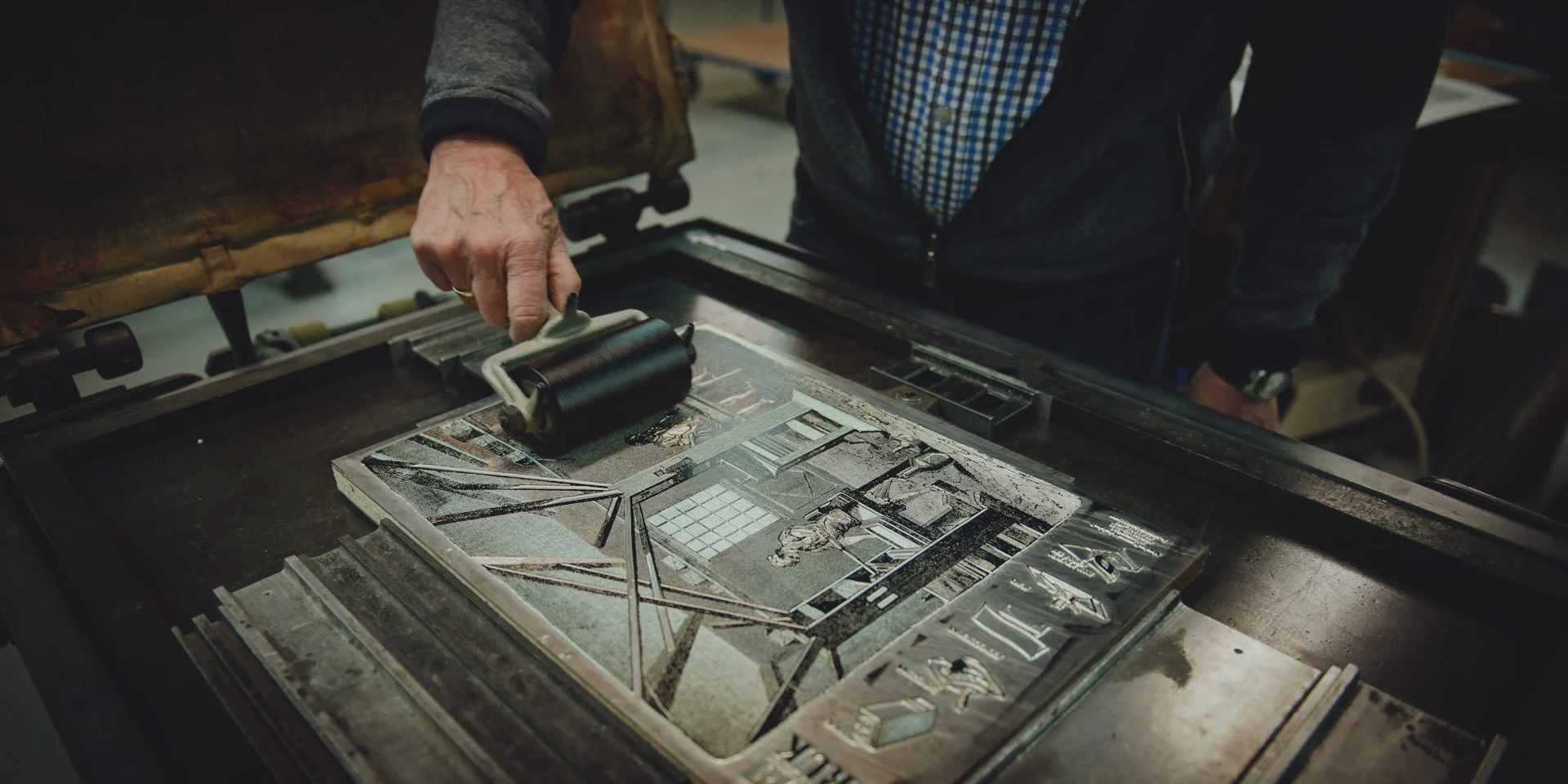
Behind those canal houses worked another group of craftsmen whose influence quietly reached almost every household in the city. Printers. Men who spent their days surrounded by paper, lead type and the smell of fresh ink, producing books, newspapers, pamphlets and guides that travelled far beyond the streets where they were made.
They rarely became famous. Few statues were built in their honour. Yet their work found its way into kitchens, living rooms and workshops across the Netherlands, shaping daily life in ways that are easy to overlook today.
Because long before recipes lived online, somebody had to print them.
A City Full of Ink, Ideas and Curiosity
By the eighteenth century, Amsterdam had become one of Europe’s most important printing centres. Booksellers, publishers and printers were scattered throughout the city, serving a population that was increasingly curious, literate and eager to learn.
The printing press had already transformed Europe, but in Amsterdam it found particularly fertile ground. This was a city built on trade, information and connections. Goods moved through the harbour, but so did ideas.
Printers became the people who helped those ideas travel.
Some books discussed politics. Others explained religion, science or navigation. But many of them focused on something far more practical: everyday life. How to manage a household. How to preserve food. How to cook.
For thousands of families, these books became trusted companions, consulted as often as a modern person might reach for a phone.
The Publisher Who Understood the Amsterdam Kitchen
One of the names that still echoes through Dutch culinary history is Jan Barend Elwe. Today, most people have never heard of him, yet generations of Dutch households knew his work, even if they did not know his name.
Elwe published Aaltje, de volmaakte en zuinige keukenmeid, a cookbook that would become one of the most successful and influential cookbooks in Dutch history.
What made the book remarkable was not luxury or extravagance. In fact, it was almost the opposite.
While many cookbooks of the time focused on elaborate French-inspired cuisine for wealthy readers, Aaltje spoke the language of ordinary households. The recipes were practical, the advice sensible and the focus firmly on feeding people well without unnecessary expense.
That choice tells us something about Amsterdam itself. This has always been a city that appreciates quality, but it has never had much patience for showing off.
More Than a Collection of Recipes
Books like Aaltje were never just recipe collections. They were guides to everyday living. They taught people how to preserve ingredients, avoid waste and make the most of what they had available. They reflected a culture where good food was important, but practicality mattered too.
As copies spread through households across the country, they helped create a shared culinary language. Families copied recipes into notebooks. Favourite dishes were passed down through generations. Pages became stained with butter, gravy and soup.
The books travelled, but so did the ideas inside them.
And little by little, they helped shape what we now recognise as Dutch home cooking.
A Legacy Hidden in Plain Sight
Walk through Amsterdam today and you will still find traces of that printing world. Former publishing houses, old shopfronts and streets where books, newspapers and pamphlets once changed hands every day. Most people pass them without noticing.
Perhaps that is fitting.
The people who shape a city are not always the ones standing in the spotlight. Sometimes they are the ones working quietly in the background, helping knowledge travel from one household to another.
The merchants may have brought spices, coffee and tea to Amsterdam. But it was printers like Elwe who helped ordinary people learn what to do with them.
And in that sense, they did far more than print books.
They helped feed a city.