Before Amsterdam Was Rich, There Was Herring
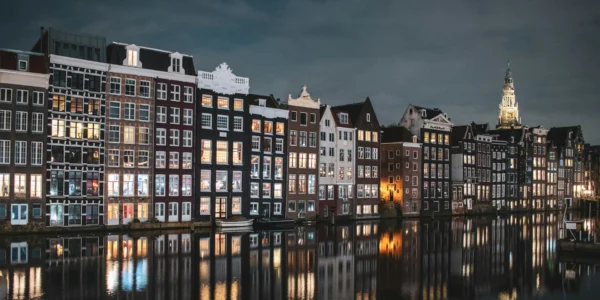
Long before Amsterdam became a city of canals, merchants and grand canal houses, it was a city that depended on the water. Ships came and went, markets grew busier every year and trade slowly transformed a modest settlement into one of Europe’s most important ports.
But before spices, sugar and coffee arrived from distant shores, there was another product quietly shaping Dutch fortunes.
Herring.
It wasn’t glamorous. It wasn’t expensive. Yet for centuries, this small silver fish fed sailors, workers and families across the Netherlands. More importantly, it became one of the products that helped build the Dutch economy.
You could even argue that before Amsterdam traded with the world, it traded in herring.
The Original Dutch Fast Food
What made herring so valuable was surprisingly simple: it lasted.
Thanks to a preservation technique known as gibbing, Dutch fishermen could process herring at sea, allowing it to stay fresh for much longer. That meant ships could travel farther, catches could be larger and markets could be supplied year-round.
For ordinary people, herring was affordable, filling and easy to find.
Long before takeaway menus and delivery apps, Amsterdam already had its own version of fast food. Herring sellers pushed carts through busy streets and markets, serving fish directly to customers who needed something quick, affordable and satisfying.
No reservations. No table settings. No waiting list. Just good food, eaten standing up.
A Fish That Fed Every Layer of Society
One of the remarkable things about herring is that it crossed social boundaries.
The wealthy ate it.
Workers ate it.
Sailors ate it.
Market traders ate it.
For a city that was growing rapidly and welcoming people from all corners of Europe, herring became one of the few foods almost everyone had in common.
It wasn’t fashionable. It was simply dependable.
Amsterdam has always had a soft spot for things that quietly do their job without making a fuss.
Perhaps that’s why herring never really disappeared.
Why We Still Eat It Today
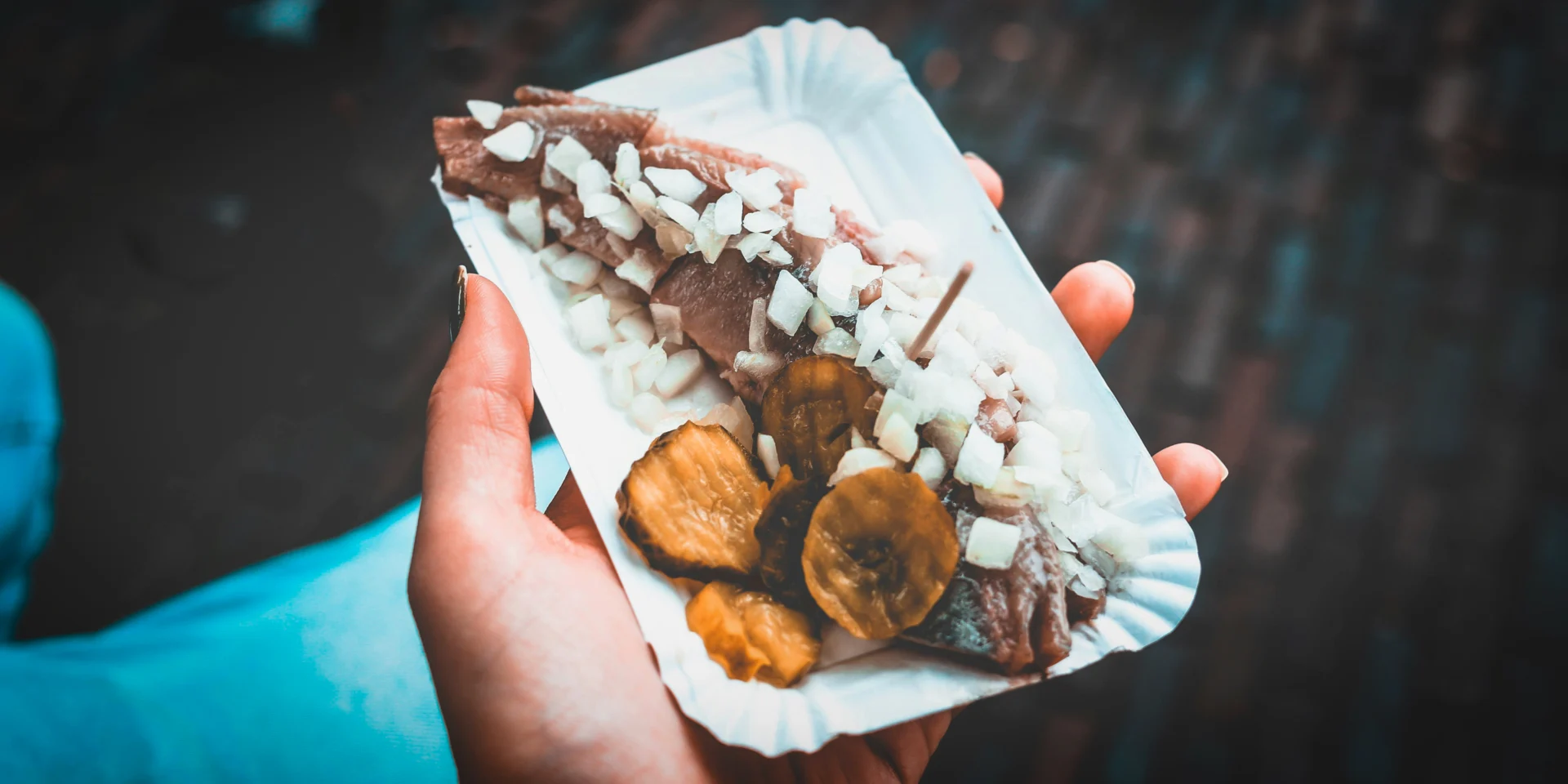
Tourists sometimes look surprised when they see someone eating raw herring with onions and pickles.
Many Dutch people don’t even think twice about it.
That’s because herring isn’t just food. It’s tradition. It belongs to fish stalls, market squares, summer afternoons and conversations that last longer than expected.
Like many Dutch classics, it survived because it remained exactly what it always was: simple, honest and satisfying.
No reinvention required.
From Herring Cart to Dinner Table
Today, Amsterdam’s food scene offers flavours from every corner of the world. Yet herring still holds its place.
Not because of nostalgia alone, but because it tells part of the city’s story.
A story about trade, hard work, practicality and a population that always appreciated good food without unnecessary fuss.
And perhaps that’s why herring still feels surprisingly modern.
After all, honest food never really goes out of style.